



How the Stadium Impacts The Overall Flow Of A Match
Screenshot
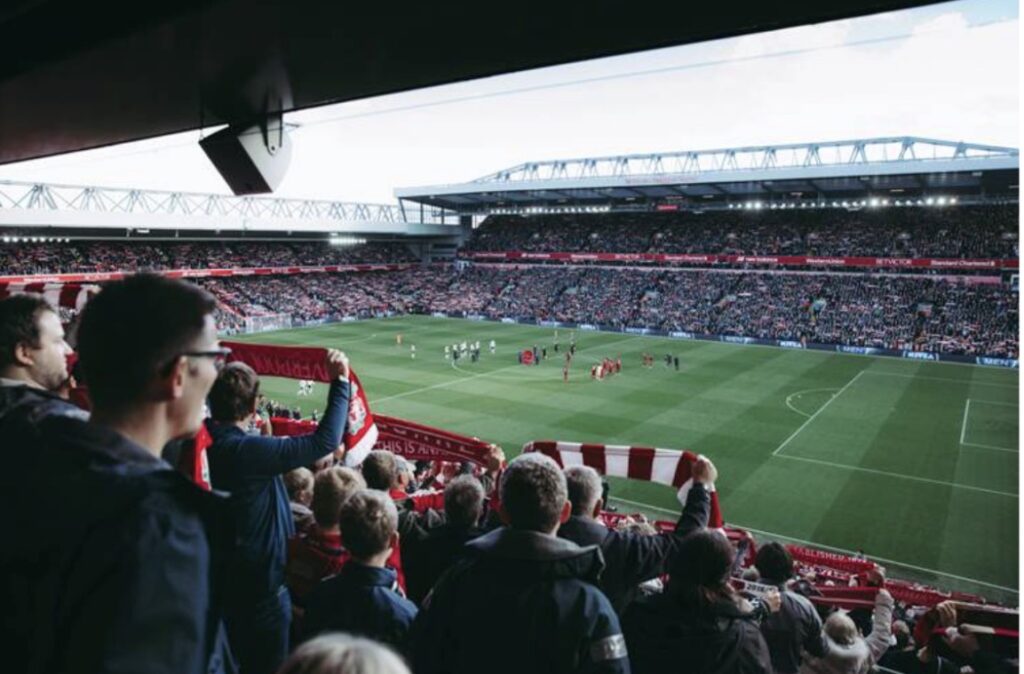
Stadiums have always been more than just a sports venue. Football stadiums play an important role in influencing the energy and experience of a football match. It mixes the emotion and passion of fans while also determining the pace of the match. The acoustics of a stadium carry the noise of the crowd around the field while the shape of the stands gives fans the perfect view of all the action, perfectly blending architecture and atmosphere to shape the flow of the game.
Familiarity and Routine
The home ground advantage is more than just a phrase. It is a psychological occurrence that gives the home team an edge and increases fan excitement. Playing at home gives players an advantage over their opponents. This advantage stems from the team’s familiarity with their home pitch. They understand how the ball reacts to the turf and lighting shifts at certain times, making them more comfortable in dictating the flow of the game.
Fans attending home games are also affected by this occurrence. Supporting their home team causes them to cheer louder and generate more energy. This increased energy acts as positive reinforcement for the home team while disrupting the opponents.
This home-ground advantage often influences how players might perform and can affect match odds. For fans who make sports betting a part of their match-day rituals, this is enough to guide the bets they place on non UK bookmakers that offer competitive sports odds, swift payouts, and generous bonuses. Understanding how a team is affected by their home ground is a good indicator for punters of what their betting odds are. This guides them to choosing platforms that offer favourable betting markets with exciting bonuses.
The Impact of Stadium Architecture
How a stadium is designed and built directly affects how the game is played. The stadium’s physical layout and dimensions, proximity of the stands to the field, and even the angle of the seating tiers have a direct effect on the tempo of the game. Players need to adjust their strategies and style of play based on environmental factors as well, such as stadium elevation and weather conditions in the stadium.
Smaller stadiums such as Craven Cottage or Selhurst Park often create high-pressure match environments. Factors such as how close fans are to the pitch can generate a sense of urgency among players, causing them to push the ball more quickly and resulting in a more aggressive style of play. Compact stadiums often leave the game feeling faster and the pitch feeling smaller due to spatial compression caused by loud noise from an enclosed crowd.
In contrast to this, in larger stadiums such as the London Stadium or Wembley Stadium, the pitch feels bigger and more open. Fans are generally further away from the pitch, and the expansive space in the stadium creates a less concentrated atmosphere. This often leads to a more relaxed game focused on possession and strategic passing. Players are more likely to make longer runs with the ball as teammates and opponents feel more spread out.
The Twelfth Player: The Importance and Power of the Crowd
One of the most influential factors within a stadium is the crowd’s energy. Fans provide teams with a rush of emotion that can tip the momentum of a match within minutes. The sound of thousands of fans chanting and cheering that echoes throughout the stadium can fuel comebacks and completely unsettle opponents.
Liverpool FC’s home, Anfield, is a shining example of how a stadium’s acoustics amplify the crowd’s noise, bringing the stadium to life. The chants and songs from the Liverpool faithful reverberate through the stands and are carried down onto the pitch, pushing the players forward. St. James’ Park in Newcastle is another great example where the crowd’s noise creates a wall of sound that increases players’ adrenaline and overwhelms opposing teams.
How Atmosphere Can Turn the Tide of a Game
The energy within a stadium has the power to change the course of a match. Teams can overturn score deficits and overcome insurmountable odds thanks to the atmosphere created by the fans’ energy travelling through the stadium. In 2019, Liverpool pulled off a seemingly impossible comeback victory. They beat a 3-0 deficit from a previous leg of the Champions League semi-final. Their comeback was spurred on by the roars that filled Anfield.
Similarly, Manchester United’s famous comeback victories at Old Trafford during the Sir Alex Ferguson era became known as “Fergie Time”. This phenomenon was fuelled by fan belief and the palpable tension and expectations that were present in the stadium during those matches.
A stadium’s atmosphere is known to boost team morale and create a feeling of electricity throughout the stadium that connects fans and players. These feelings can push players forward to reinvigorate them when the match is no longer in their favour. As stadiums grow and become more technologically advanced, the game will continue to evolve and adapt to the changing atmospheres these new stadiums create.