



Ferrari shares fresh details of its electric Luce
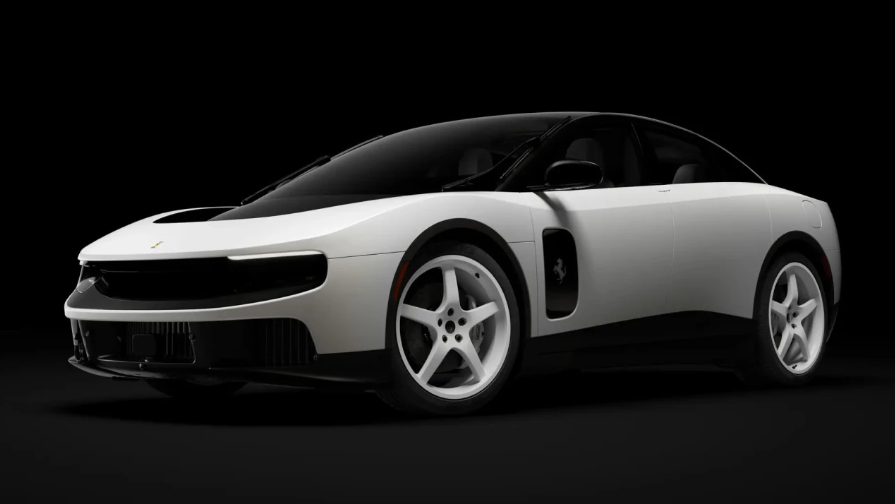
Ferrari has shared new details about the Luce, its first fully electric production car, at the Wave conference in Turin on October 7. Chairman John Elkann and designer Jony Ive discussed how the model took shape and why its cabin favours switches over touchscreen menus. Ferrari also attracts Formula 1 fans who track racing results and in-play odds on the 1xbet website during Grand Prix weekends. In Turin, the focus was the five-seat road car Ferrari unveiled in May.
A suggestion from Jeff Bezos in 2016
Elkann traced the idea of an electric Ferrari to a walk with Amazon founder Jeff Bezos in July 2016. Bezos encouraged him to consider what electrification could mean for a company renowned for combustion engines. Elkanne later began discussing the project with Ive, the former Apple design chief and co-founder of LoveFrom.
Ive said his studio spent much of its first year researching Ferrari before presenting designs. The subsequent collaboration brought together teams in California and Maranello for five years. Rather than copy the cockpit of an existing sports car, they developed controls, displays and materials specifically for the Luce.
A cabin built around physical controls
Ive used the Turin event to explain his preference for tactile interaction. The Luce’s steering wheel has exposed metal elements and physical buttons that drivers can identify by touch. Its instrument display moves with the steering column, while OLED screens provide information without replacing every traditional switch. Even the key has a colour e-ink display that changes when inserted.
Digital betting interfaces face a different challenge during Formula 1 events. In-play markets can update as a race develops, making accurate event labels, current odds and available selections essential information on screen. The Luce, by contrast, needs controls that can be operated without looking away from the road. Ferrari has prioritised mechanical feedback for frequently used functions rather than hiding them in display menus.
Four motors and performance figures
The Luce uses four electric motors, one driving each wheel, and a battery developed for Ferrari’s electric platform. The combined peak output is 772 kW, equivalent to 1,050 metric horsepower. Rear output exceeds that of the front axle. Ferrari quotes acceleration from zero to 100 km/h in 2.5 seconds and a maximum speed of 310 km/h. Its 122 kWh battery supports fast charging at up to 350 kW, while the estimated driving range is 530 kilometres.
| Specification | Ferrari Luce |
| Motors | Four, one per wheel |
| Peak output | 772 kW |
| Battery capacity | 122 kWh, gross |
| Maximum charging power | 350 kW |
| Acceleration, 0–100 km/h | 2.5 seconds |
| Top speed | 310 km/h |
With a separate motor driving each wheel, Ferrari can precisely control how power is distributed across the car. The rear-biased configuration is designed to preserve the handling characteristics associated with the brand’s sports cars. However, acceleration figures alone cannot describe the driving experience. Steering response, regenerative braking and the way the motors deliver power through corners will be equally important in determining how the Luce performs on the road.
Everyday details beyond the performance numbers
Ferrari has also given the Luce practical features not usually associated with its two-seat sports cars. Four doors open onto five seats, and its proportions reflect the requirements of a more spacious grand tourer. The design combines smooth exterior surfaces with a deliberately simple dashboard.
Among the choices discussed or displayed are:
- A key with a colour-changing e-ink screen
- Steering-wheel switches intended to work by touch
- A driver display that follows steering-column adjustment
- Steering-wheel paddles providing five progressive torque and power settings
These choices give the Luce a distinct character without suggesting that every new function needs a touchscreen. Ive’s remarks make clear that the designers wanted drivers to feel connected to the controls even though the power comes from electric motors.
What the Turin appearance added
Elkann said photographs had not always communicated the car’s shape successfully. With a Luce on display at the conference, visitors could examine its proportions and cabin firsthand. Elkann added that people who saw the Luce in person often reacted differently from those who had viewed photographs.
The experience behind the wheel is the next test for the design. Its steering response, charging performance and five-seat practicality will matter more to drivers than presentation photographs. The Turin conversation clarified why Ferrari chose physical switches, how LoveFrom approached the interior and where the original idea for the Luce began.